







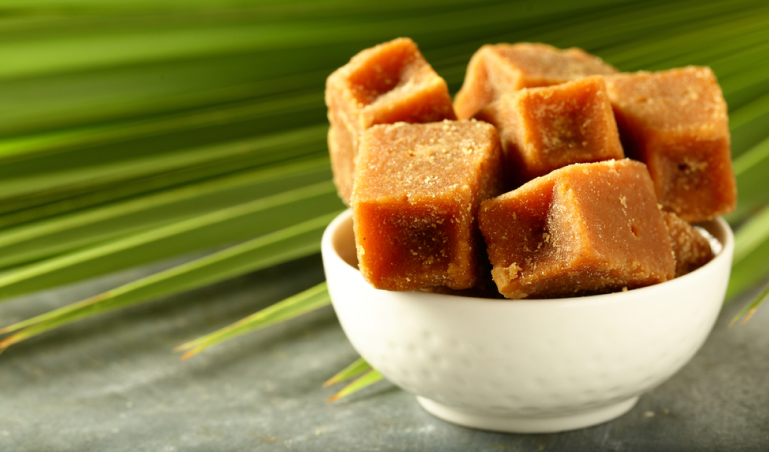
- Jaggery is also known as ‘Gur’ in Hindi, as 'Bellam' in Telugu, 'Vellam' in Tamil, 'Sharkara' in Malayalam, 'Bella' in Kannada, and 'Gul' in Marathi.
- Jaggery is a natural sweetener and a powerhouse of Vitamin B12, B6, folate, calcium and iron.
- Consuming jaggery boosts immunity, improves digestion and prevents constipation.
- Jaggery is also a good home remedy for cough and cold.
Importance of Nutrition
Improved nutritional status is key to sustainable development, affecting how other investments in education, and health impact the country’s progress.
Safe foods and healthy diets are critical for good health outcomes and for addressing challenges of undernutrition, micronutrient deficiencies, obesity, and the growing incidence of non-communicable diseases (NCDs).
A healthy diet plays an essential role in the upliftment of a person’s physical and mental well-being. Wholesome and nutritious eating habits enhance the quality of life, whereas a poor diet might increase the risk of illness and morbidity.
India is making significant progress in this direction, but there is a need to continually improve the coverage, continuity, intensity, and quality of nutrition for better nutrition outcomes which contribute significantly to the overall development of the country.
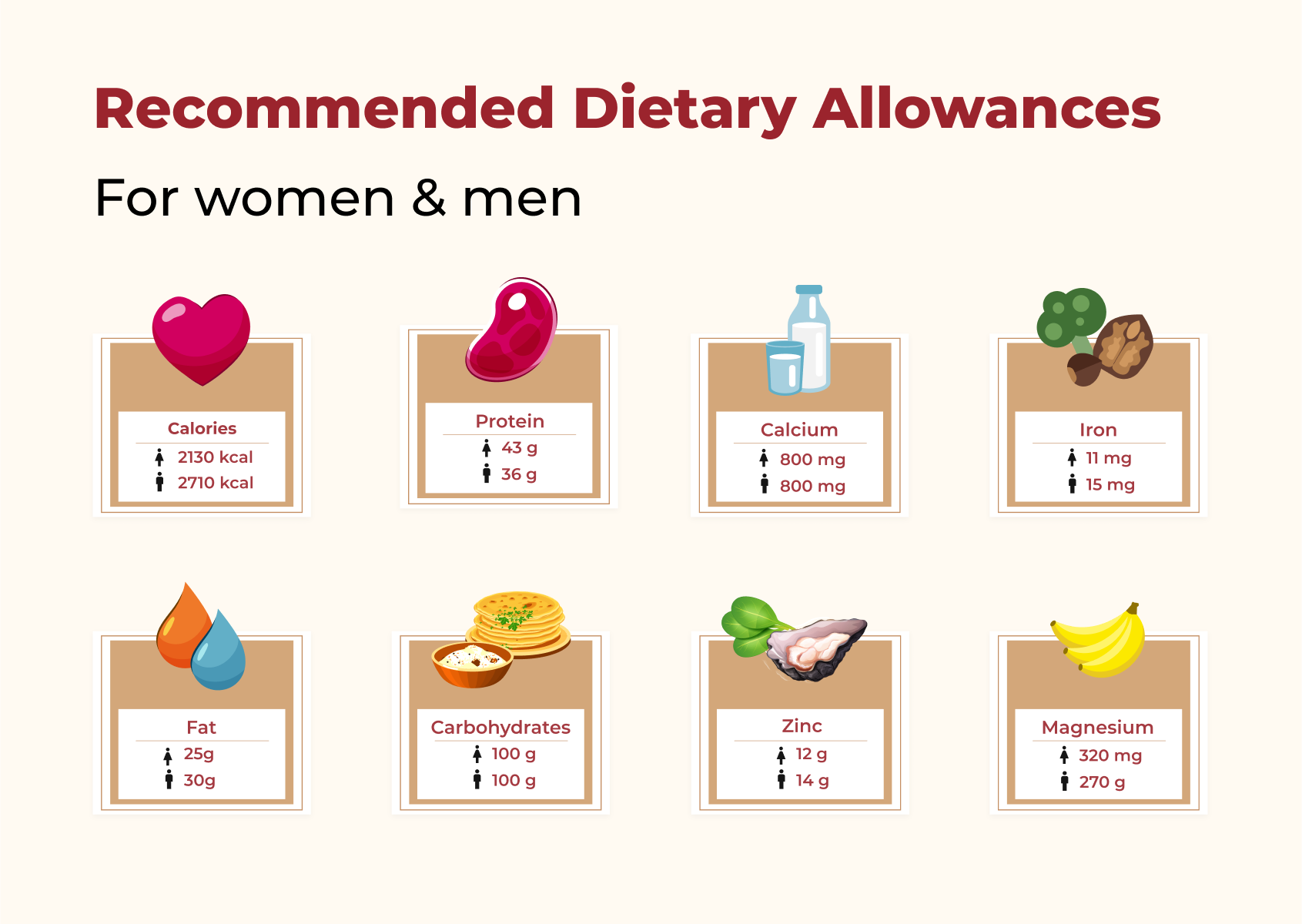
Day to day suggested intake
For kids and adults
Nutritional Information
Read Nutritional Information on Foods from the list or simply select from the below foods to get Intresting facts and information on composition of Food Crops And Livestock Products
Click on the audio button to understand the information on the page and help you find the right Nutrition Information
Indian Food Composition Table The Indian National Food Sampling and Analysis Programme, 2017
WHEAT, whole
*Nutritional values of WHEAT, whole per 100 gms.
Energy (kcal)322
Carbohydrates (g)64.7
Protein (g)10.6
Calcium (mg)39.4
Cholesterol (mg)58.62
Fat (g)1.5
Folic Acid (ug)30.1
Iron (mg)4
Sodium (mg)2.5
Total B6 Pyridoxine (mg)0.25
Total Carotenoids (ug)284
Total Free Sugars (g)1.8
Total Mono Unsaturated Fatty Acids (mg)149
Total Poly Unsaturated Fatty Acids (mg)742
Total Saturated Fatty Acids (mg)206
Vitamin A Retinol (ug)0.38
Vitamin B1 Thiamine (mg)0.5
Vitamin B3 Niacin (mg)2.7
Vitamin B5 Pantothenic Acid (mg)0.87
Vitamin B7 Biotin (ug)0.76
Vitamin B9 Total Folates (ug)29.22
Vitamin C Ascorbic Acid (mg)0
Zinc (mg)2.9
Total Dietary Fibre (g)11.36
Vitamin B2 Riboflavin (mg)0.2
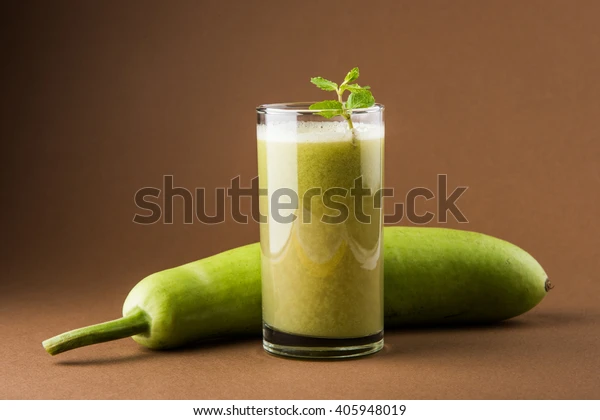
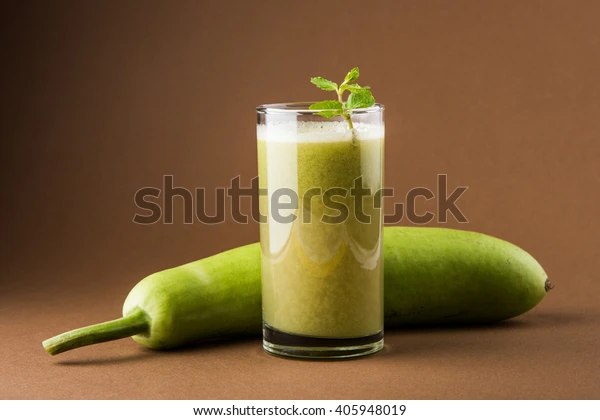
Bottle gourd (Lauki)
- Bottle gourd is a vegetable high on water and is a rich source of vitamin C, K and calcium, zinc, iron, magnesium.
- It is also beneficial for diabetic patients as it stabilizes the blood sugar level and maintains blood pressure.
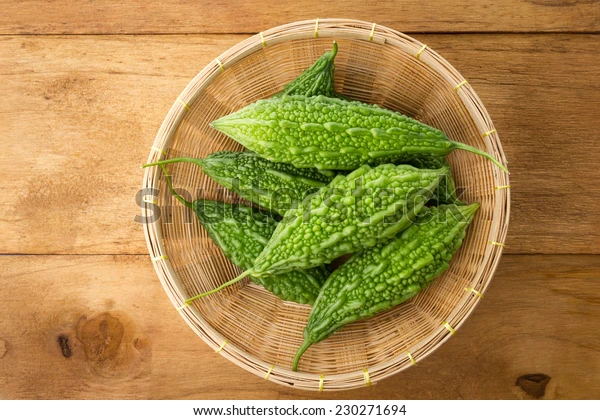
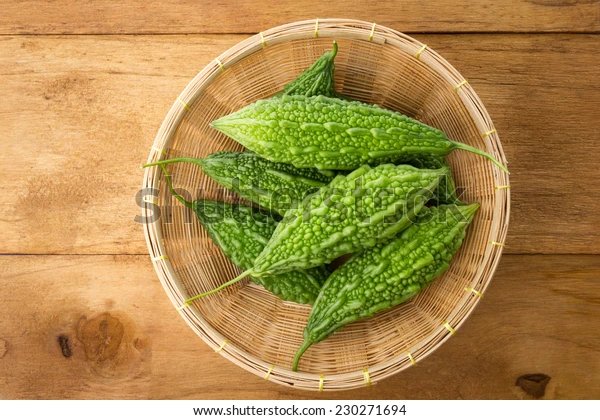
- Great for digestion, bitter gourd lowers the risk of constipation and helps in maintaining a healthy weight.




Did you know?

Fact of the Week


